
FOR THE SPOUSE WHO MISSES 'US'.
Stop feeling like roommates. Start feeling like a couple again.
An 8-week marriage coaching programme to bring back the fun, real conversations and closeness you’ve been missing.
Even if your spouse isn’t ready yet.
You still love the person you married. But life has become more about managing a household than enjoying each other.
And you don’t want the next decade to feel the same.
A free 30-minute Reconnection Strategy Call with Verrill.
Your spouse doesn't need to attend. No obligation to enrol.
FOR THE SPOUSE WHO MISSES 'US'.
Stop feeling like roommates.
Start feeling like a couple again.
An 8-week marriage coaching programme to bring back the fun, real conversations and closeness you’ve been missing.
Even if your spouse isn’t ready yet.
You still love the person you married. But life has become more about managing a household than enjoying each other.
And you don’t want the next decade to feel the same.
A free 30-minute Reconnection Strategy Call with Verrill.
Your spouse doesn't need to attend. No obligation to enrol.
Married
since 2013
239 married Singaporeans surveyed
Featured on:

Certified in:

Married
since 2013
239 married
Singaporeans surveyed
Featured on:

Certified in:
WHEN LIFE TAKES OVER
Nothing is terribly wrong. You just don’t feel like “us” anymore.
Your marriage works, and from the outside, it probably looks perfectly fine. You still talk every day, although most of your conversations are about the children, work, bills and everything that needs to get done.
And it’s not that you’ve stopped having good moments together.
Sometimes you go out for dinner, have a really good laugh and remember how much you enjoy each other’s company. For a while, things feel like they used to.
Then Monday comes around, the responsibilities take over, and you’re back to managing the household again.
You thought things might get easier once the children were older. But the sleepless nights became school schedules, tuition, work deadlines and family commitments. Somehow, there’s still so little time left for the two of you.
What makes it harder is that you know your spouse loves you. They’re a good person, and there’s so much about the life you’ve built that you’re grateful for.
But you miss the random conversations, the spontaneous affection and the feeling that your spouse genuinely enjoys being with you.
Sometimes, lying beside the person you married, you find yourself wondering when things became like this.
And there’s another question you don’t particularly want to think about.
Is this what the next ten years of our marriage are going to look like?
WHEN TRYING HARDER HASN'T BEEN ENOUGH
You've probably tried making things better. So why does the distance keep coming back?
Maybe you’ve tried talking about it, suggested spending more time together or planned a date night without the children.
And sometimes it helps. You have a lovely evening, reconnect for a while and feel hopeful that things might be getting better.
But before long, everyday life takes over again.
In our survey of 239 respondents, 170 selected honest conversations as something they’d already tried to improve their marriage, while 131 selected date nights or intentional couple time.
There’s nothing wrong with talking more or making time for each other. The problem is that those moments don’t always change what happens between you during the rest of the week.
The same misunderstandings, unspoken expectations and familiar disagreements can keep resurfacing. Meanwhile, the little things that help you feel close keep getting pushed aside because something else always seems more urgent.
So perhaps you’ve been telling yourself that things will get better when work settles down or when the children become more independent.
But you’ve probably been waiting for life to settle down for quite some time.
If time alone were enough, every couple who’d been married for 30 or 40 years should be closer than ever.
But we all know couples who’ve been married for decades and aren’t necessarily any closer than they were years ago.
You can spend another ten years together and still be missing the same things.
STRENGTH & INTIMACY
Running a home together isn't the same as feeling close.
We believe a great marriage needs both strength and intimacy.
Strength is being able to handle life as a team. Making decisions, sharing responsibilities, navigating differences, supporting each other and building a life that works.
Intimacy is genuinely enjoying the person you’re building that life with. The friendship, laughter, conversations, affection, romance, attraction and physical closeness that make you feel like a couple.
Both matter. And neither replaces the other.
But as life gets busier, it’s easy to spend so much attention on keeping everything running that the relationship itself gradually receives less.
You become good at managing life together, while the little habits that once helped you feel close start disappearing.
The goal isn’t to become less capable partners. It’s to be a strong team without losing the closeness that makes you love being together.
To feel like a couple again, you need to work on both: changing the patterns that keep creating distance, while rebuilding the habits that help you feel close.
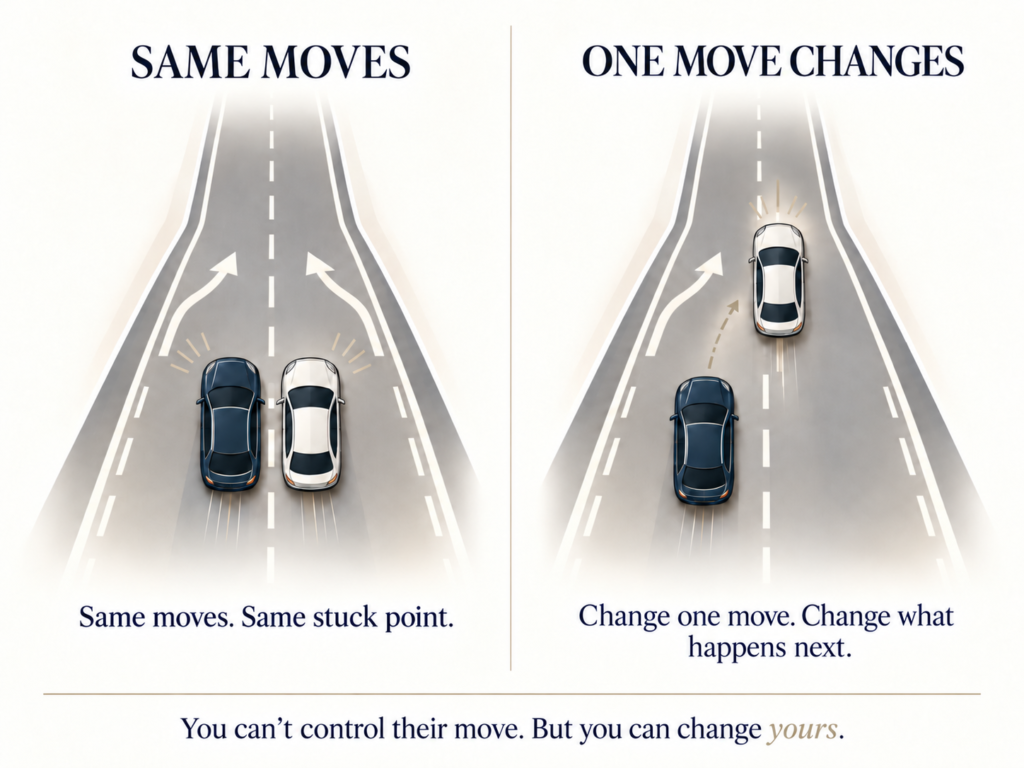
The good news is that patterns can change. Even one person responding differently can create the possibility of a different interaction.
THERE'S MORE YOU CAN DO THAN YOU THINK
You don't need both of you to be ready on the same day.
Perhaps you’ve thought about getting help before, but your spouse thinks everything is fine. Or maybe they know something is missing too, but don’t feel ready to do anything about it.
And because most marriage programmes involve both spouses, you’ve probably assumed there isn’t much point unless you can convince yours to come along.
It’s an understandable place to end up. When you’ve tried talking about the same things and nothing seems to change, it’s easy to start believing that your spouse needs to change before anything can get better.
It takes two people to build a marriage, but only one willing spouse to begin changing a repeating pattern.
When you change how you approach a conversation, respond to tension or make room to enjoy each other, you’re introducing something different into an interaction that has become familiar.
You cannot control how your spouse chooses to respond. But you’ve already changed your part of the pattern, and that creates an opportunity for something different to happen.
And here’s what matters. As long as you believe your spouse has to change first, you’re left waiting for something you cannot control.
That doesn’t mean accepting all the blame or taking responsibility for the entire marriage. Some changes will eventually require both of you.
It means recognising where you genuinely have influence and choosing to do something with it.
You don’t have to wait for your spouse to change before you can begin changing the pattern.
A PRACTICAL PATH BACK TO EACH OTHER
Eight weeks to start finding your way back to each other.
From Roommates to Us™ is a small-group marriage coaching programme with a personal starting point, eight weeks of guided coaching and support as you practise what you’re learning in everyday life.
We’ll help you change the patterns that keep creating distance, while building habits that help you enjoy each other again.
Your private starting session
Before the programme begins, you’ll complete a short reflection called Remembering Us, followed by a private session with Verrill.
Together, we’ll explore what you miss about your marriage, what might be keeping you disconnected, and where you can begin making a difference.
You’ll leave with a personalised 14-day reconnection plan, including one familiar pattern you can begin changing and simple ways to make more room for connection.
So even before the group sessions begin, you’ll have something practical to try in your own marriage.
Your three milestones over eight weeks
Room To Breathe
Have more energy for each other, not just everything else.
We’ll help you find some breathing room amidst work, children and responsibilities, so your marriage doesn’t always have to settle for whatever time and energy you have left.
Have Real Conversations
Enjoy talking to each other again, even when there’s nothing to organise.
We’ll help you bring back the conversations you’ve been missing, while learning to approach difficult ones without getting caught in the same familiar arguments.
In This Together
Face life as a team, while still enjoying being a couple.
We’ll help you build a stronger partnership through clearer expectations and shared responsibilities, while creating simple couple rituals that make room for fun, affection and enjoying each other again.
The Three A’s of Reconnection
Throughout the programme, you’ll also practise Appreciation, Attention and Affection. These are simple ways to help each other feel noticed, valued and enjoyed again, without turning reconnection into another list of tasks. Affection should always feel natural and welcome to both people.
Real support, not just lessons
You’ll have eight weekly 90-minute group coaching sessions, practical exercises, weekly check-ins, a midpoint review and support between sessions.
We’ll work with what’s actually happening in your marriage, and you’ll leave with a plan to keep building on what you’ve started.
After eight weeks, we don’t want you walking away with just more marriage advice. We want you to look back and recognise real moments that have begun to feel different, whether that’s an easier conversation, more laughter or simply enjoying each other again.
The goal isn’t just to learn about having a better marriage. It’s to begin experiencing one.
A free 30-minute Reconnection Strategy Call with Verrill.
Your spouse doesn't need to attend. No obligation to enrol.
As featured oN:
From the people We've walked with
What can change when one spouse begins first
Names and identifying details have been changed to protect privacy.
Every marriage has its own story, and sometimes one spouse is ready to seek help long before the other.
Here are three people we’ve walked with who decided to begin with what they could change.
Marriage 01
WHEN SHE FELT LIKE SHE WAS DOING EVERYTHING
She was exhausted from managing so much at home, while her husband still seemed to have time for himself.
She needed things to change, but couldn’t make him change.
After she tried a different approach and spoke with her husband, he began taking on more at home and encouraging her to take time for herself.
"I have time off for myself, without planning what to do for the day.
I definitely feel so much better now."YY
READ MORE
She had been carrying a great deal at home, and from where she stood, the problem seemed obvious.
What shifted wasn’t about convincing her that the imbalance didn’t matter or asking her to become more tolerant of it.
She became clearer about what she was carrying, what belonged to her, and what she could change in the way she was approaching the situation.
As she changed what she was doing, the conversations between them began to change too.
Marriage 02
WHEN HER HUSBAND WASN'T READY TO GET HELP
She had already moved out and was staying with her mother. Her husband never attended a coaching session.
But she decided to begin anyway.
Before our work together ended, she had moved back home.
"I came swimming in dark waters.
I left seeing that my marriage could be loved to the brim."TS
READ MORE
She and her husband had been clashing over ordinary, everyday decisions, and the way they spoke to each other had begun to leave both of them feeling small.
Through our work together, she began to understand that two people could approach things very differently without either person automatically being wrong.
She became clearer about what was hers to own, what wasn’t hers to carry, and what she could begin doing differently.
Her spouse never attended a session, but that didn’t prevent her from beginning.
Marriage 03
WHEN BEGINNING FIRST FELT UNFAIR
She was carrying deep hurt from past choices her husband had made, and what he had done was still his responsibility.
Taking the first step didn’t mean taking the blame.
As she began working through what she’d been carrying, she experienced a tremendous sense of relief. She felt free, and their relationship began feeling different too.
“It felt like it was a load off my heart.
Our relationship is now easier, happier, nicer and simpler.”CL
READ MORE
She had spent a long time trying to understand what had happened and why, while carrying hurt over choices that hadn’t been hers.
Our work wasn’t about excusing her husband’s actions, asking her to forget what happened or making her responsible for repairing everything.
It was about helping her work through what she was carrying, without having to take ownership of choices that weren’t hers.
She described feeling free from so much of the emotional weight she’d been carrying.
What her husband had done hadn’t changed, but her experience of herself and the marriage had.
These are three very different marriages, but each shows what can begin changing when one spouse decides to take the first step.
Your spouse may not be ready yet.
That doesn’t mean your marriage has to stay this way for the next ten years.
We've been there too
We spent almost every day together. And still found ourselves missing each other.
Charlene and I have never quite done things the usual way.
We became a couple on Saturday, looked at wedding rings on Sunday and got engaged on Monday. Girlfriend on Saturday, Fiance on Monday. I didn’t even get down on one knee, but Char said yes anyway. I think she saw great potential. 😎
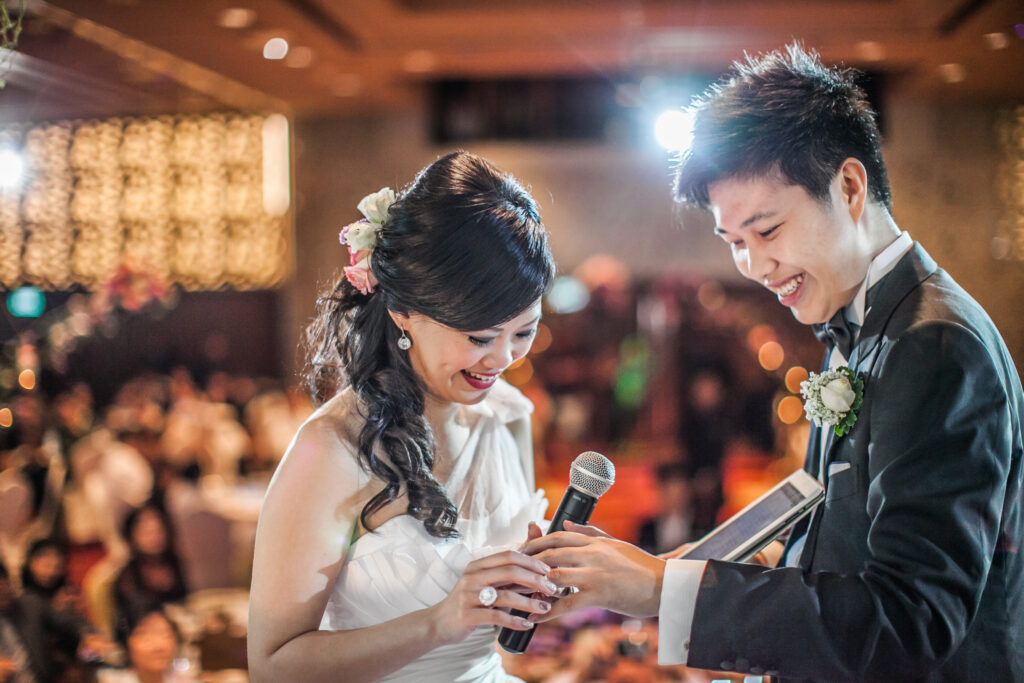
We’ve also worked together since 2011. And when I say worked together, I mean going to work together, spending the whole day together and coming home together, only to do it all over again the next day.
Whenever people find out, we almost always get the same reaction.
“How do you guys even do that? I cannot imagine working with my spouse!”
And I understand why.
We’re both strong-minded individuals who know what we want. We have our own opinions, working styles and ways of doing things, and we don’t always agree.
We’ve had to learn how to navigate those differences, work through disagreements, make decisions and build systems that allow us to function well together.
And over the years, we became a pretty good team.
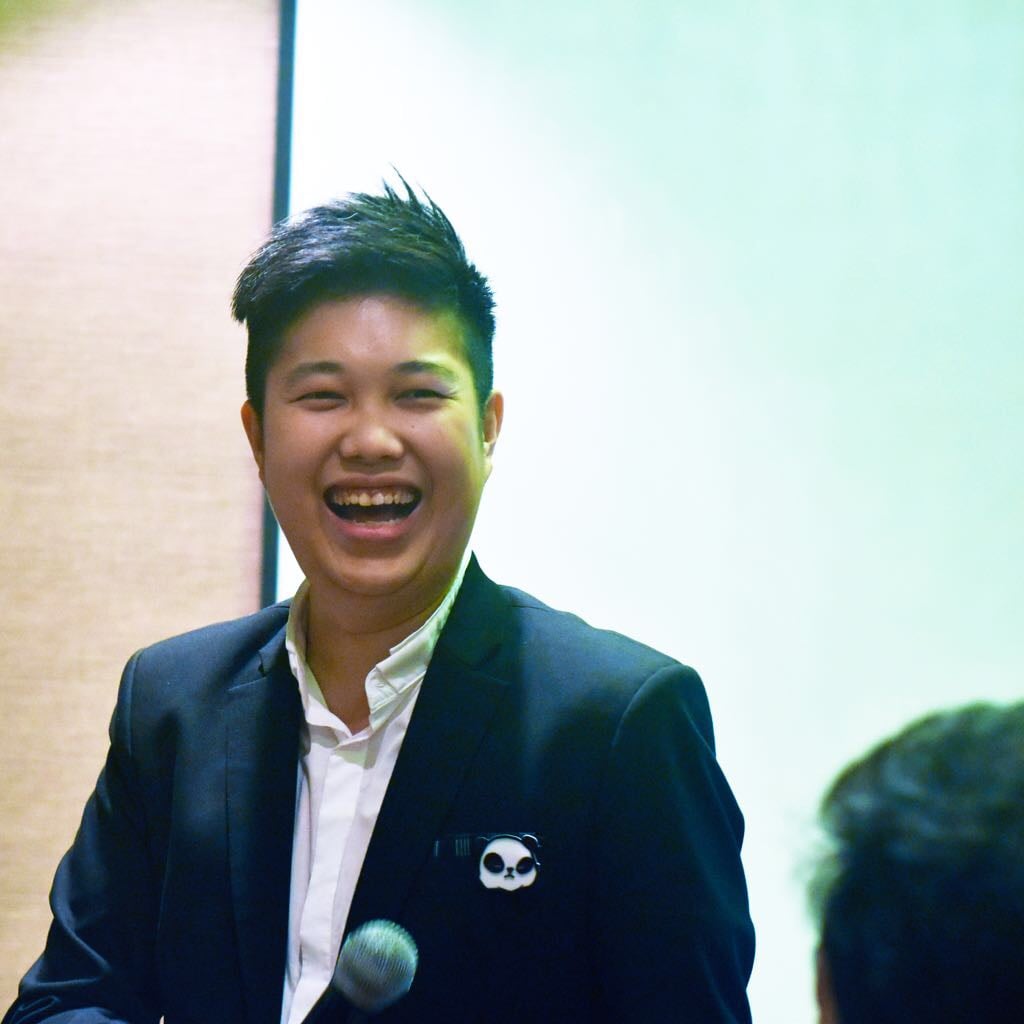

Two strong individuals. One team.
But somewhere along the way, something else started happening.
We’d talk about work over lunch, continue talking about work over dinner, and eventually I remember lying in bed one night, realising that we were still talking about work.
I remember thinking, “something is really wrong with this moment.”
We were spending practically every day together, but so much of our time had become about getting things done.
We were becoming really good at working together, but we also needed to protect the relationship that made us want to be together in the first place.
So we began creating boundaries and routines that helped us keep building together without letting work take over our marriage.
Then Judah arrived after ten years of waiting.
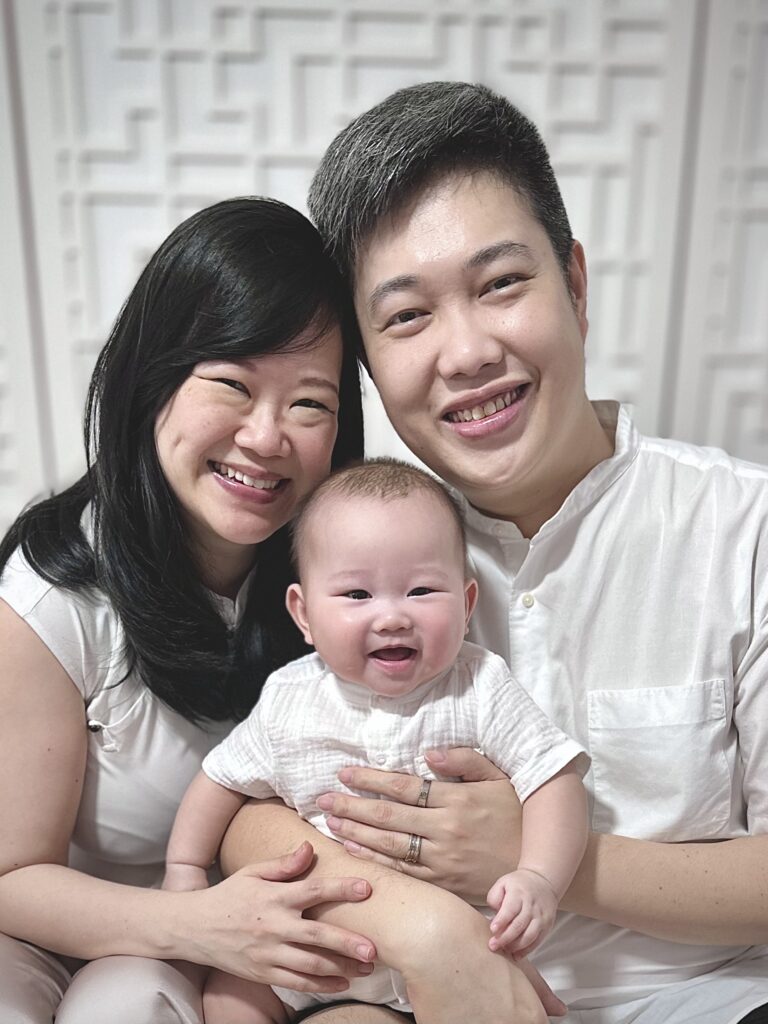
We were overjoyed to finally become parents, but that first year brought a different kind of challenge.
Suddenly, so much of our attention went towards caring for Judah, managing the household and keeping everything running.
We were still a team. We still loved each other.
But once again, the demands of life were taking up so much room that we began missing each other.
I remember telling Char, “I feel like I’ve lost my right hand.”
After all those years of spending practically every day together, I never imagined I could still find myself missing my wife.
Those experiences taught us something we’ve come to believe deeply about marriage.
Being an incredible team doesn’t automatically mean you’re enjoying being a couple.
A great marriage needs both. The strength to face life together and the intimacy to genuinely enjoy each other along the way.
We don’t believe you should have to choose between the two.
We want to be each other's best teammate and favourite person, through every season.
That’s the marriage we’re continually building, and the kind of marriage we want to help others experience.
Certifications




Certifications


BEYOND THE TWO OF YOU
Stronger marriages build stronger families. Stronger families raise stronger generations.
We care deeply about parenting. But for us, marriage comes before parenting.
Not because children matter less, but precisely because they matter so much.
Years ago, when we were still coaching singles and people preparing for marriage, we kept hearing versions of the same sentence:
“I don’t want the marriage that my parents have.”
They weren’t necessarily saying their parents were terrible people. Many had grown up in families where Dad and Mum were still together, working hard and doing their best.
But they also remembered what they’d watched growing up. The unresolved arguments, the affection that had disappeared, or two people who no longer seemed to enjoy being married.
Our children aren’t only learning from how we parent them. They’re also learning from how we treat each other.
They notice how we speak when we disagree, whether we still laugh together, and how we show affection.
They’re already watching.

Since becoming parents, this has become even more personal for us.
There will be many things in Judah’s life that will make us proud. His graduations, his achievements, the things he works hard for and the person he becomes.
And one day, watching him get married will surely be one of the happiest moments of our lives.
But as wonderful as that day will be, the wedding is just one day. The marriage he builds is the life he’ll wake up to for years to come.
That’s why the marriage he’s growing up watching matters so much to us.
We can’t choose who he’ll marry or what kind of marriage he’ll have. But what he sees between us will be one of his earliest examples of what’s normal and what’s possible.
We don’t need him to grow up watching a perfect marriage. There’s no such thing.
But we want him to see two imperfect people who disagree, get tired and misunderstand each other, yet still know how to work through difficult seasons, keep choosing each other and genuinely enjoy being married.
One of the greatest legacies we can leave our children is a marriage that shows them what’s possible.
NOW ACCEPTING APPLICATIONS
January 2027 Founding Cohort
For our first From Roommates to Us™ cohort, we’re offering the complete eight-week coaching programme at a special founding fee.
Limited to 12 founding participants.
We’re keeping this first group small so everyone receives meaningful guidance and support.
Founding Cohort
6 January - 24 February 2027Wednesdays, 7:30 - 9:00 pm SGT
-
A private starting session with Verrill
-
Your personalised 14-day reconnection plan
-
Seven live 90-minute group coaching sessions
-
A guided Chinese New Year practice week
-
Practical exercises and weekly check-ins
-
A midpoint progress review
-
Weekday WhatsApp support between sessions
-
Your Protect the Marriage™ 30-day plan
Your spouse doesn't need to attend. No obligation to enrol.
CHOOSE YOUR LEVEL OF SUPPORT
The same eight-week journey, with two ways to be supported.
Both options include the complete From Roommates to Us™ programme, your private starting session and guided support as you begin making changes in your everyday marriage.
The difference is how much additional personal attention you’d like along the way.
Core
For the spouse who wants a personal starting point, the complete eight-week programme and coaching within a small, private group.-
A private starting session with Verrill
-
Your personalised 14-day reconnection plan
-
Eight weekly 90-minute group coaching sessions
-
Practical exercises and weekly check-ins
-
A midpoint review
-
Weekday WhatsApp support between sessions
-
Graduation & Your Protect the Marriage™ 30-day plan
Private Support
For the spouse who wants the complete programme, with more personal attention and private space to work through what's happening in their marriage.-
You’ll receive everything in Core, plus:
-
Four private 1:1 sessions with Verrill
-
7-day WhatsApp support between sessions
-
Replies within 24 hours.
AN HONEST QUESTION
"S$2,000? For marriage?"
We understand why that can feel unusual. Especially when your marriage isn’t in crisis.
Most of us have spent thousands building the life around our marriage. There was the wedding, then the home, children, insurance, holidays, education and everything else that comes with raising a family.
Spending a couple of thousand dollars on a holiday doesn’t feel particularly unusual.
But spending the same amount directly on your marriage does.
Perhaps that’s because, for most of us, the marriage itself has never really had a line item in the budget.
And when things aren’t terribly wrong, it’s easy to tell ourselves we’ll get around to it when life settles down.
But you’ve probably been hoping things would get better for quite some time now.
What you’re investing in isn’t another collection of marriage advice.
It’s eight weeks of personal guidance, coaching and practical support to help you change the habits that keep creating distance and begin rebuilding the connection you’ve been missing.
It’s about making real changes in the marriage you come home to every day.
We spend so much building a life together. Surely the marriage we're building it around deserves some attention too.
Of course, S$2,000 is a significant investment, and there’s still one very reasonable question:
What if I give this my best and nothing actually changes?
That’s why we’ve put a guarantee behind the programme.
OUR COMMITMENT TO YOU
The First Shift Guarantee
If you genuinely give these eight weeks your best and nothing meaningfully changes, we'll refund what you paid.
We believe marriage coaching should lead to more than understanding why things are the way they are.
We want you to begin experiencing something different in your marriage, whether that’s an easier conversation, a familiar pattern you respond to differently, or more moments when you genuinely enjoy being together.
And we’re confident enough in this process to put our money behind it.
Here’s what we ask of you.
Attend all eight sessions, either live or by catching up on the recorded teaching. Complete your weekly check-ins, put what you’re learning into practice and give the programme an honest eight weeks.
We’ll review your progress along the way and look at what’s actually changed.
If you’ve genuinely done all of that and still feel nothing meaningful has changed in how you experience or relate to your spouse, we’ll refund every dollar you’ve paid us.
No programme credits or substitute offers. You’ll get your money back.
We can’t promise how your spouse will respond, but we can stand behind the guidance and support we’re giving you.
You’re taking a chance on your marriage. We’re willing to take the financial risk with you.
BEFORE YOU APPLY
Frequently Asked Questions
1. My spouse thinks our marriage is fine or isn't ready. Can I still join?
Yes. In fact, that’s one of the main reasons we created this programme.
Two people can be living in the same marriage and experiencing it very differently.
You don’t need to convince your spouse to attend before you can begin. We’ll help you recognise where you have influence and what you can begin changing yourself.
Your spouse doesn’t need to attend the programme or your Reconnection Call.
2. If I'm the one joining, does that mean I'm the problem?
Absolutely not.
Beginning first doesn’t mean accepting the blame or taking responsibility for fixing the entire marriage.
We’ll help you understand what belongs to you, what belongs to your spouse and where you genuinely have influence.
You’re learning to change what you can, not carry what you can’t.
3. What if my spouse doesn't change?
We can’t promise how your spouse will respond.
But when you begin approaching familiar situations differently, you’re no longer repeating exactly the same interaction.
That creates room for something different to happen.
Some changes may require both of you, and we’ll help you recognise those limits rather than asking you to keep trying harder indefinitely.
4. Our marriage isn't that bad. Do we really need this?
Your marriage doesn’t need to be falling apart before it deserves attention.
Many spouses who miss feeling close still love each other, function well as parents and enjoy good moments together.
But they also know something has been missing for a while.
You don’t have to wait for a crisis to start caring for the marriage you want to enjoy.
5. How much time will this take outside the weekly sessions?
The programme includes seven live 90-minute group coaching sessions across eight weeks, with one guided practice week.
There will also be short weekly check-ins and practical exercises.
Most of what you’ll practise happens within everyday situations you’re already experiencing in your marriage, rather than requiring hours of additional study.
6. Do I have to share personal details about my marriage in the group?
No. You get to decide how much you’re comfortable sharing.
We’ll create a respectful environment with clear confidentiality expectations, but you won’t be required to discuss intimate details about your marriage with everyone.
You’ll still be able to learn from the coaching, exercises and examples without sharing everything personally.
7. What if I don't feel closer to my spouse after eight weeks?
Eight weeks won’t necessarily undo every habit built over years, and we can’t guarantee how your spouse will respond.
But you should have practical ways to begin changing the patterns that keep creating distance, making room for connection and recognising what’s different in your everyday marriage.
We’ll review your progress during the programme.
If you’ve genuinely participated and nothing meaningful has changed, the First Shift Guarantee explains the conditions for receiving a full refund.
8. Is this marriage counselling or therapy? Who isn't this programme suitable for?
From Roommates to Us™ is practical marriage coaching, not counselling, therapy or crisis intervention.
It’s designed for spouses who want to improve their marriage and are ready to practise making changes in everyday life.
If your relationship involves abuse, coercion, violence, threats, or serious safety concerns, specialist support may be more appropriate.
We’ll be honest during the Reconnection Call if we believe this isn’t the right kind of help for your situation.
9. Is this a Christian programme?
Verrill and Charlene are Christians, and our faith shapes how we view marriage.
We believe marriage is a covenant, not merely a contract.
That’s why we take wedding vows seriously, not just as words spoken on one day, but as the beginning of an “us” worth honouring, protecting and stewarding well.
That belief sits underneath much of how we approach marriage: two different people can still learn to come back to the same side.
You don’t need to be Christian to participate, and there are no religious requirements for joining.
THE WAY BACK STARTS HERE
What if this were the year you felt like a couple again?
A new year brings new plans. For our work, our health, our children and the life we’re building.
But what about the person we’re building that life with?
It’s easy to go into another year hoping things will somehow get better. That when life settles down, we’ll finally have more time and energy for each other.
But you’ve probably been waiting for that to happen for quite some time now.
What if this year, instead of simply waiting for things to change, you actually began changing them?
Imagine enjoying conversations that aren’t just about the household. Laughing over silly things again. Looking forward to spending time with the person you married.
Not because your responsibilities have disappeared, but because you’ve begun changing the familiar patterns that keep creating distance and making room for each other again.
You don’t have to keep waiting for your spouse to be ready before you begin.
Your first step is a free 30-minute Reconnection Strategy Call.
We’ll talk about what you’ve been missing in your marriage, what might be keeping you in the same place, and where you can begin making a difference.
If we believe From Roommates to Us™ could help, we’ll explain how the programme works and whether it’s a good fit for you.
Simply complete a short application, then choose a time for your conversation with Verrill.